Acupuncture London for Women: A Practical Guide to Treatment
Finding the right acupuncture in London can feel overwhelming, particularly when you are looking for support with a women's health concern.
Women in their 30s may explore acupuncture for several different reasons, including painful periods, endometriosis, PCOS, fertility support, stress, sleep, headaches, muscular pain and general wellbeing. Acupuncture is a complementary treatment, so the most appropriate approach depends on your symptoms, health history and existing medical care.
Qin's Clinic is a Traditional Chinese Medicine clinic at 22 Harley Street in London. Its women's health services include support relating to menstrual health, fertility, IVF, endometriosis, PCOS and other reproductive-health concerns.
What Is Acupuncture?
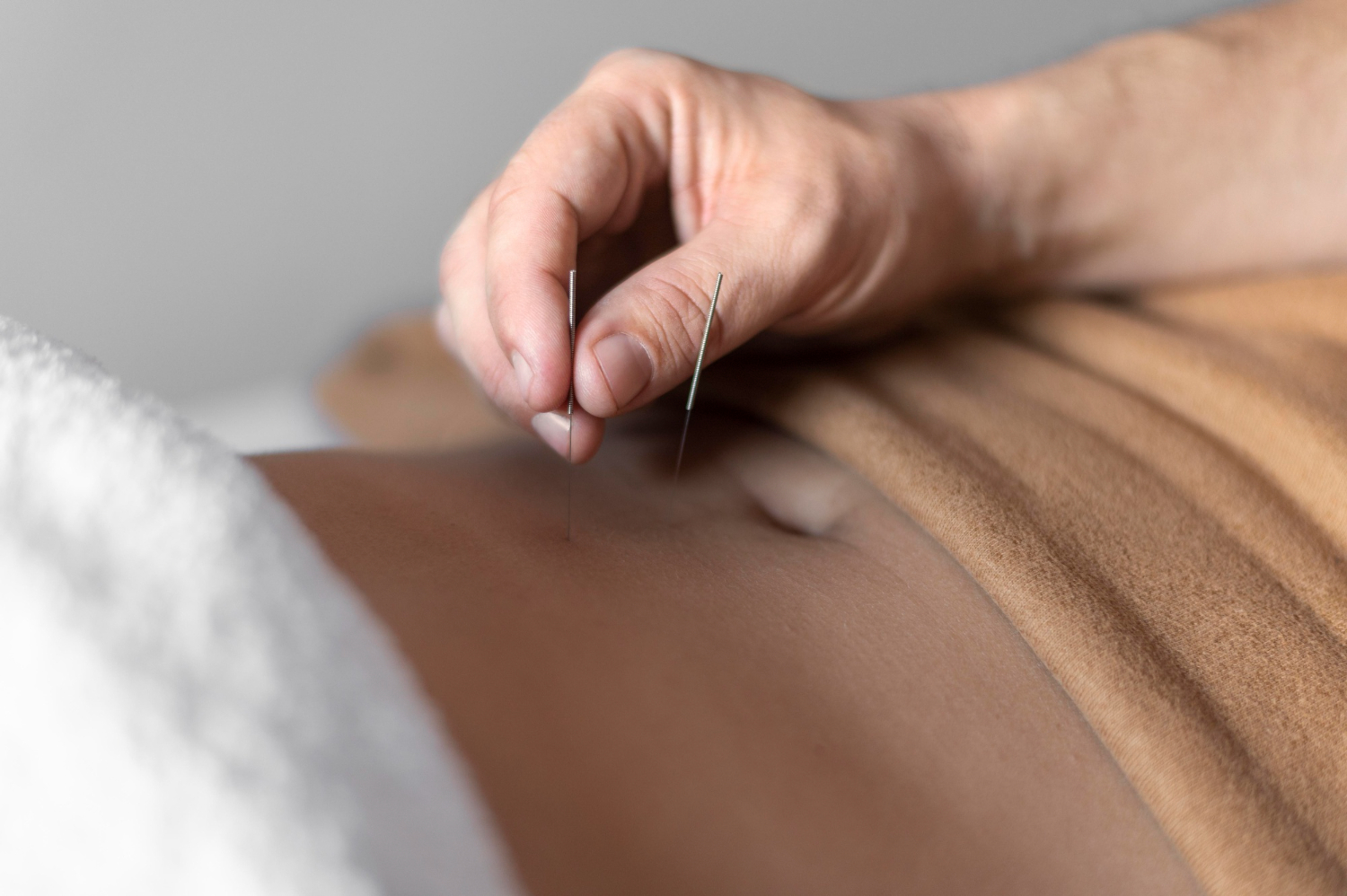
Acupuncture involves inserting very fine needles into specific points on the body.
Traditional Chinese Medicine (TCM) uses concepts such as Qi, meridians and patterns of imbalance to understand health. Western medical explanations of acupuncture focus more on effects involving the nervous system, muscles and other physiological processes.
The NHS describes acupuncture as a complementary therapy and notes that it may be available through NHS services for some conditions, including certain types of long-term pain and migraine-type headaches.
For women considering acupuncture, this distinction matters: acupuncture should not be presented as a guaranteed treatment or replacement for conventional diagnosis and care.
Why Do Women in Their 30s Consider Acupuncture?
Your 30s can involve significant changes in health and lifestyle. Work demands, relationships, pregnancy planning, fertility treatment, menstrual symptoms and chronic stress can all influence the type of healthcare support you seek.
Some women consider acupuncture as complementary support for:
- Period pain and menstrual symptoms
- Endometriosis and adenomyosis
- PCOS
- Fertility support
- IVF support
- Stress and sleep concerns
- Headaches and migraines
- Musculoskeletal pain
- Digestive symptoms
- General wellbeing
Qin's Clinic specifically lists women's and reproductive health services including endometriosis, PCOS, fertility support and IVF assistance.
However, having a particular symptom does not automatically mean acupuncture is the right treatment. A qualified practitioner should assess your circumstances before recommending an approach.
Can Acupuncture Help Period Pain?
Period pain is one reason women may look for complementary treatment.
Some women use acupuncture alongside other approaches when dealing with recurring menstrual discomfort. If your period pain is severe, new or getting worse, however, it is important to investigate the underlying cause.
Conditions such as endometriosis, adenomyosis and fibroids can cause significant menstrual pain and require appropriate medical assessment.
Qin's Clinic offers a women's health approach that includes acupuncture and Traditional Chinese Medicine for conditions such as endometriosis and adenomyosis.
Acupuncture should therefore be viewed as potential complementary support rather than a substitute for diagnosis or treatment from a GP, gynaecologist or other appropriate healthcare professional.
Acupuncture for Endometriosis in London
Endometriosis can cause pelvic pain, painful periods, pain during sex, bowel or bladder symptoms and fertility difficulties.
Women with endometriosis sometimes explore complementary therapies alongside their conventional treatment plan.
Qin's Clinic has a dedicated London page for acupuncture and Traditional Chinese Medicine relating to endometriosis, adenomyosis and recurrent miscarriage.
If you have suspected or diagnosed endometriosis, a useful acupuncture consultation should take your diagnosis, symptoms, medication and existing treatment into account.
Acupuncture may be used as complementary care, but it should not replace medical management of endometriosis.
Can Acupuncture Support Fertility?
Fertility is another important reason some women search for acupuncture in London.
Women may consider acupuncture while trying to conceive naturally or alongside fertility treatment such as IVF.
Qin's Clinic states that its women's health services include fertility support and IVF assistance and describes acupuncture as one of its treatment approaches.
It is important to be precise about what this means. Acupuncture should not be described as guaranteeing pregnancy or replacing fertility investigations and treatment.
If you are undergoing IVF or taking fertility medication, tell your acupuncturist exactly what treatment you are receiving. Your fertility team should also know about complementary treatments you are using.
This allows your healthcare providers to consider the complete picture rather than treating acupuncture and conventional fertility care as unrelated.
What About PCOS?
Polycystic ovary syndrome (PCOS) can affect periods, ovulation, fertility, metabolism and other aspects of health.
Because PCOS is a complex condition, treatment is normally based on the symptoms and goals of the individual woman.
Some women explore acupuncture or Traditional Chinese Medicine alongside conventional PCOS care. Qin's Clinic lists PCOS among the women's health conditions it supports.
If you have PCOS, acupuncture should be considered complementary care. It should not replace appropriate medical monitoring, lifestyle support or medication where these are recommended for your circumstances.
Can Acupuncture Help With Stress and Sleep?
Stress and poor sleep are common reasons people consider complementary therapies.
Acupuncture may form part of a broader wellbeing routine for some people, particularly when stress is experienced alongside other physical symptoms.
However, persistent insomnia, significant anxiety or depression deserves appropriate assessment. Complementary treatment should not delay professional mental-health support when it is needed.
A good consultation should consider your sleep, stress levels, lifestyle, medical history and any medicines or supplements you use.
Acupuncture for Headaches and Pain
Acupuncture is also commonly considered for pain-related concerns.
Women may seek acupuncture for concerns such as:
- Neck and shoulder pain
- Back pain
- Chronic muscular pain
- Tension-type headaches
- Certain migraine-related concerns
- Pain associated with other health conditions
The appropriate treatment depends on the cause of the pain. Persistent or unexplained pain should be medically assessed rather than automatically attributed to stress or muscular tension.
What Happens During an Acupuncture Appointment?
A first appointment generally starts with a detailed consultation.
Your practitioner may ask about:
- Your main symptoms
- Your menstrual cycle
- Previous diagnoses
- Current medication
- Fertility treatment
- Pregnancy or plans for pregnancy
- Sleep
- Stress
- Digestion
- Previous treatments
- Your general health
The practitioner can then decide whether acupuncture is appropriate and explain the proposed treatment.
During the acupuncture part of the appointment, very fine needles are inserted into selected points. The number and location of needles vary according to the treatment approach and your individual circumstances.
Guy's and St Thomas' NHS Foundation Trust explains that different forms of acupuncture exist, including Traditional Chinese Medicine and Western acupuncture. It also notes that the number of needles depends on the person's condition and symptoms.
Is Acupuncture Safe for Women?
Acupuncture is generally considered relatively low risk when performed appropriately, but it is not completely risk-free.
Possible effects include:
- Minor bleeding
- Bruising
- Mild pain
- Temporary dizziness
- Drowsiness
- Temporary worsening of symptoms
Guy's and St Thomas' NHS Foundation Trust advises patients to tell their therapist if they are pregnant or trying to become pregnant, take anticoagulant medication, have epilepsy, diabetes, a weakened immune system or other relevant conditions.
The NHS also warns that acupuncture may not be suitable for people taking blood-thinning medication or those with a skin condition or infection.
For women considering fertility treatment or pregnancy-related acupuncture, discussing treatment with both the acupuncturist and relevant medical team is particularly important.
What Should You Look for When Choosing Acupuncture in London?
London has many acupuncture clinics, so comparing practitioners is worthwhile.
Practitioner experience
Ask about qualifications, professional experience and the practitioner's approach to acupuncture.
Relevant women's health experience
If your reason for treatment involves periods, fertility, PCOS or endometriosis, look for a clinic that clearly explains its experience in women's health.
Medical history
A practitioner should ask appropriate questions about your health rather than treating everyone in exactly the same way.
Location
Regular treatment can be easier to manage when the clinic is convenient for your home or workplace.
Clear communication
A good practitioner should explain what acupuncture can and cannot reasonably be expected to do.
Safe complementary care
The NHS recommends checking that private complementary therapists are registered with a professional organisation accredited by the Professional Standards Authority.
Why Consider Qin's Clinic for Acupuncture in London?
Qin's Clinic is located at 22 Harley Street, London, in the Harley Street medical district. Its acupuncture service covers a broad range of concerns, including chronic pain, hormonal conditions, fertility support and skin health.
For women specifically, the clinic's women's health service focuses on areas including:
- Menstrual health
- Endometriosis
- PCOS
- Fertility
- IVF support
- Menopause
- Sleep
- Hormonal concerns
The clinic combines acupuncture with other Traditional Chinese Medicine approaches, including Chinese herbal medicine, therapeutic cupping and moxibustion.
This can be relevant if you are looking for a clinic where women's health is a defined area of practice rather than an occasional service.
Before booking, check the clinic's current practitioner information, treatment options and fees directly.
How Much Does Acupuncture Cost in London?
The cost of acupuncture varies between London clinics.
Factors can include:
- Initial consultation length
- Follow-up appointment length
- Practitioner experience
- Clinic location
- Whether additional TCM services are included
- Whether herbs or other treatments are recommended
Because prices can change, check the clinic's current fees before booking rather than relying on an outdated price found elsewhere online.
If you have private health insurance, check your policy to see whether acupuncture is covered and whether your insurer has practitioner requirements.
How Many Acupuncture Sessions Do You Need?
There is no universal number of acupuncture sessions for every woman or condition.
The appropriate treatment schedule depends on your symptoms, health history and response to treatment.
Qin's Clinic states that treatment duration depends on the condition and that some patients may experience relief within a few sessions while chronic concerns can require longer-term care.
A responsible treatment plan should be reviewed as you progress. If you are not experiencing meaningful improvement, discuss this with your practitioner and consider whether another approach is appropriate.
Frequently Asked Questions About Acupuncture London for Women
Is acupuncture good for women's health?
Acupuncture may be used as complementary care for some women's health concerns, including pain, menstrual symptoms and fertility-related support. Evidence varies considerably by condition, so it should not be described as a universal treatment.
Can acupuncture regulate periods?
Some women seek acupuncture for menstrual symptoms and cycle-related concerns. However, irregular periods can have many causes, including PCOS, thyroid problems and other medical conditions. Persistent menstrual changes should be assessed by an appropriate healthcare professional.
Can acupuncture help with endometriosis?
Acupuncture may be used as complementary support for women with endometriosis, particularly in relation to symptoms such as pain. It does not remove endometriosis and should not replace medical assessment or conventional treatment.
Can I have acupuncture during IVF?
Some women choose acupuncture alongside IVF. If you are undergoing fertility treatment, tell both your fertility team and acupuncturist about all treatments and medicines you are receiving so that your care can be coordinated.
Is acupuncture safe when trying to conceive?
Acupuncture may be considered by some women while trying to conceive, but individual circumstances matter. Tell the practitioner that you are trying to conceive, particularly if you are receiving fertility medication or treatment.
Can acupuncture help PCOS?
Women with PCOS may explore acupuncture as complementary support. However, PCOS is a complex condition requiring an individual medical approach, and acupuncture should not replace appropriate diagnosis, monitoring or treatment.
How often should I have acupuncture?
There is no single schedule that suits everyone. Frequency depends on your symptoms, treatment goals and response. Your practitioner should discuss an individual plan with you and review whether treatment is helping.
Where can I find acupuncture in Harley Street?
Qin's Clinic provides acupuncture at 22 Harley Street, London. The clinic describes its practice as specialising in Traditional Chinese Medicine and acupuncture, including women's and reproductive health.
Can acupuncture replace my GP or fertility specialist?
No. Acupuncture is complementary care and should not replace appropriate medical diagnosis or treatment. NHS Specialist Pharmacy Service guidance specifically states that complementary products should be used alongside, rather than instead of, conventional medicine.
Conclusion
If you are searching for acupuncture in London as a woman in your 30s, start by identifying the reason you are considering treatment.
For menstrual symptoms, endometriosis, PCOS, fertility support, IVF, stress, sleep or pain, look for a practitioner who understands your particular concern and takes your medical history into account.
Qin's Clinic at Harley Street has a specific women's health service covering areas such as menstrual health, endometriosis, PCOS and fertility support, alongside its wider acupuncture and Traditional Chinese Medicine services.
Acupuncture can be part of a complementary approach for some people, but it is not suitable for everyone and outcomes cannot be guaranteed. If you have persistent symptoms, are taking medication, are pregnant, trying to conceive or undergoing fertility treatment, discuss acupuncture with the relevant healthcare professionals before proceeding.
.jpg)