Traditional Chinese Medicine for Back Pain: How TCM May Help
Traditional Chinese Medicine (TCM) may help some people manage back pain through treatments such as acupuncture, cupping, massage-based therapies and, in some cases, Chinese herbal medicine. The most appropriate approach depends on the cause and type of pain. TCM should complement, rather than replace, medical assessment when back pain is severe, persistent or associated with warning signs.
What Is Traditional Chinese Medicine?
Traditional Chinese Medicine is a healthcare system that has developed over centuries and includes several treatment approaches. Common TCM therapies include acupuncture, Chinese herbal medicine, cupping, moxibustion and therapeutic massage techniques such as Tui Na.
TCM traditionally understands health through concepts such as Qi, meridians and patterns of imbalance. Modern research into individual TCM treatments generally evaluates specific therapies rather than validating every traditional explanation of how they work.
For someone with back pain, this distinction is important. You can explore TCM as a complementary approach while still using appropriate medical diagnosis and treatment where necessary.
Can Traditional Chinese Medicine Help Back Pain?
TCM may help some people manage back pain, particularly when acupuncture or related therapies are used as part of an appropriate treatment plan.
Acupuncture has been studied extensively for pain, although results vary depending on the condition, individual and treatment approach.
Not all back pain is the same. Pain can result from muscle strain, degenerative changes, nerve irritation, injury, inflammatory conditions or other causes. A treatment that may be appropriate for one person may not be appropriate for another.
The goal should therefore be to understand the likely cause of the pain and choose treatment accordingly.
How Can TCM Be Used for Back Pain?
A TCM practitioner may use one treatment or combine several approaches depending on the consultation and individual circumstances.
Acupuncture
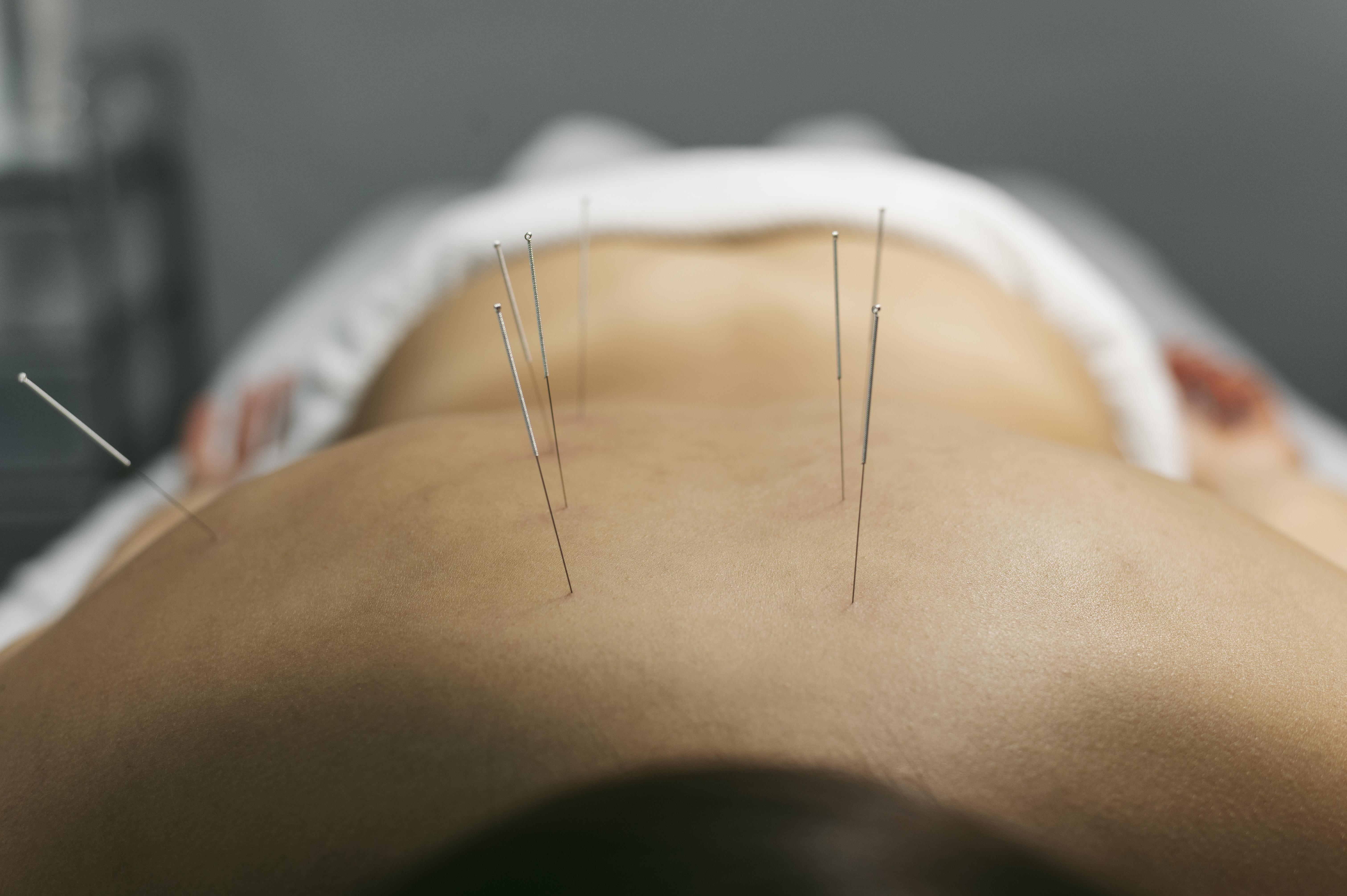
Acupuncture involves inserting very fine needles into selected points on the body.
For back pain, a practitioner may use points around the painful area as well as points elsewhere on the body, depending on the treatment approach.
Research has investigated acupuncture for different types of pain, including musculoskeletal pain. Some people report improvements in pain and mobility, while others may experience limited or no benefit.
Treatment should be individualised rather than based solely on the location of the pain.
Cupping
Cupping involves placing cups on the skin to create suction.
It is traditionally used in TCM and is often sought by people experiencing muscular tension or discomfort. Evidence for cupping varies according to the condition, and research is less established than for some other pain-management approaches.
Cupping can leave temporary circular marks or bruising. Patients should understand this before treatment.
Tui Na and Other Manual Therapies
Tui Na is a traditional Chinese therapeutic massage technique involving pressure, kneading, stretching and other manual techniques.
A practitioner may use hands-on treatment to address muscular tension and movement restrictions.
For persistent back pain, manual therapy is generally best considered alongside an appropriate exercise or rehabilitation strategy rather than as a replacement for movement and physical activity.
Moxibustion
Moxibustion involves warming specific areas using burning or heated moxa, traditionally made from mugwort.
It is used within some TCM treatment plans. Because heat is involved, appropriate technique and safety precautions are important.
Anyone considering moxibustion should tell the practitioner about relevant skin conditions, reduced sensation or other medical issues that could increase the risk of burns.
Chinese Herbal Medicine
Chinese herbal medicine uses combinations of herbs according to traditional TCM diagnostic principles.
Some people use Chinese herbal medicine alongside acupuncture for pain and other health concerns. However, herbal products can have pharmacological effects and may interact with medicines.
Tell both your doctor and TCM practitioner about any medicines and supplements you take before using Chinese herbal products.
What Types of Back Pain Do People Seek TCM For?
People may seek TCM for different types of back discomfort, including:
- Lower back pain
- Upper back discomfort
- Muscle tension
- Recurrent back pain
- Stiffness
- Pain associated with physical activity
- Some forms of chronic pain
- Musculoskeletal discomfort
These descriptions do not identify the underlying medical cause.
For example, a person with simple muscular discomfort may have very different needs from someone with a compressed nerve or spinal injury. A proper assessment is therefore important.
TCM for Lower Back Pain
Lower back pain is extremely common and can have many causes.
For uncomplicated lower back pain, maintaining appropriate physical activity and avoiding prolonged bed rest are generally important aspects of recovery. Depending on the cause, treatment may include exercise, physiotherapy, medication or other interventions.
Acupuncture may be considered as one complementary option for some people, particularly when pain becomes persistent.
A TCM practitioner may assess the pain according to traditional diagnostic principles and develop an individual treatment plan.
The treatment may involve acupuncture, Tui Na, cupping or another TCM therapy. The choice should be based on the individual's symptoms and circumstances.
TCM for Chronic Back Pain
Chronic back pain can affect sleep, mobility, work and quality of life.
When pain persists, relying on one treatment alone may not be the best approach. A broader pain-management strategy can include exercise, physical therapy, appropriate medical care, lifestyle changes and psychological support when needed.
Acupuncture is one complementary approach that has been investigated for persistent pain. Its effectiveness can vary from person to person and depends partly on the underlying condition.
If you have persistent back pain, discuss diagnosis and treatment options with a qualified healthcare professional.
What Happens at a TCM Back Pain Consultation?
A first consultation should begin with an assessment rather than immediately starting treatment.
Your practitioner may ask about:
- Where the pain occurs
- How long you have had it
- What the pain feels like
- What makes it better or worse
- Your movement and activity levels
- Previous injuries
- Existing medical conditions
- Medication and supplements
- Previous treatment
- Your general health
A TCM practitioner may also use traditional diagnostic methods to identify a TCM pattern.
The practitioner can then explain which treatments they recommend and why.
If your symptoms suggest that further medical investigation is needed, seeking assessment from your GP or another appropriate healthcare professional is important.
How Many TCM Treatments Are Needed for Back Pain?
There is no universal number of TCM sessions required for back pain.
The number depends on factors such as:
- The duration of the pain
- Its severity
- The suspected cause
- Your response to treatment
- Other health conditions
- The type of treatment being used
Some people may notice changes after an initial session, while others require a longer treatment course or may not experience meaningful improvement.
A trustworthy practitioner should avoid guaranteeing a specific result or claiming that every patient will need a predetermined number of sessions.
Progress should be reviewed regularly.
Is TCM Safe for Back Pain?
TCM treatments can have risks, even when performed by experienced practitioners.
Acupuncture can cause minor effects such as temporary pain, bruising or bleeding at needle sites. Serious complications are uncommon but can occur if acupuncture is performed incorrectly.
Cupping can cause temporary bruising, skin irritation or burns depending on the technique.
Moxibustion also involves a risk of burns if heat is not carefully controlled.
Herbal medicines can interact with prescription medicines and may not be appropriate for everyone.
Before treatment, tell your practitioner if you:
- Take prescription medication
- Take blood-thinning medication
- Are pregnant or trying to become pregnant
- Have a bleeding disorder
- Have epilepsy
- Have a skin infection or significant skin condition
- Have reduced sensation
- Have recently had surgery
- Have another significant medical condition
Discuss complementary treatments with your healthcare professional when you have existing medical conditions or take medicines.
When Should You See a Doctor About Back Pain?
TCM should not delay urgent medical assessment.
Seek urgent medical attention if back pain is accompanied by symptoms such as:
- Numbness around the genitals or anus
- New problems controlling your bladder or bowel
- Significant weakness or numbness in both legs
- Severe pain following a serious accident
- Chest pain
- A very high temperature or feeling seriously unwell
These symptoms can sometimes indicate a serious condition requiring prompt medical assessment.
You should also seek medical advice if the pain is persistent, getting worse, repeatedly returning or interfering significantly with normal activities.
How to Choose a TCM Clinic for Back Pain in the UK
If you are considering TCM for back pain, compare clinics carefully.
Check Practitioner Training
Ask about the practitioner's qualifications, experience and professional memberships.
The British Acupuncture Council operates an Accredited Register recognised by the Professional Standards Authority. Checking professional credentials can help you understand a practitioner's training and professional standards.
Ask About Your Specific Problem
A practitioner should be able to explain how they approach back pain and what treatments they commonly use.
Understand the Treatment Plan
Before starting, ask:
- What treatment do you recommend?
- Why do you recommend it?
- How often will I need treatment?
- What are the possible side effects?
- What improvement should I realistically expect?
- When will my progress be reviewed?
Check Whether Conventional Care Is Also Needed
A responsible TCM practitioner should not discourage appropriate medical diagnosis or treatment.
This is particularly important when back pain is severe, persistent or accompanied by neurological symptoms.
Why Consider Qin's Clinic for TCM Back Pain Treatment?
Qin's Clinic provides Traditional Chinese Medicine services in the UK, including acupuncture and related TCM approaches.
For someone researching TCM for back pain, the clinic's treatment information can help you understand the services available and decide whether a consultation is appropriate.
Rather than assuming that one treatment suits every type of back pain, the consultation should focus on your individual symptoms, health history and treatment goals.
You can review Qin's Clinic's current services, practitioner information and appointment details on its official website before booking.
TCM vs Conventional Treatment for Back Pain
TCM and conventional healthcare do not necessarily have to be viewed as competing approaches.
Approach
Potential role
Important consideration
Acupuncture
May help some people manage pain
Evidence varies by condition
Tui Na/manual therapy
May address muscular tension and movement
Should be appropriate for the underlying problem
Cupping
Complementary treatment sometimes used for muscular discomfort
Evidence varies; temporary marks can occur
Chinese herbal medicine
Traditional approach using herbal formulations
Potential interactions require careful review
Physiotherapy
Exercise, movement and rehabilitation
Often important for persistent musculoskeletal problems
GP/medical assessment
Diagnosis and management of medical causes
Particularly important for persistent or severe symptoms
The most appropriate strategy depends on the cause of the pain and the individual's circumstances.
Frequently Asked Questions About TCM for Back Pain
Does Traditional Chinese Medicine really help back pain?
Some TCM treatments, particularly acupuncture, may help certain people manage back pain. Research has investigated acupuncture for different types of pain, but results vary between individuals. TCM should not be considered a guaranteed cure.
Is acupuncture better than TCM for back pain?
Acupuncture is one component of TCM rather than an alternative to it. A TCM treatment plan may include acupuncture alongside other approaches. Whether acupuncture is appropriate depends on the person's condition and treatment goals.
How quickly can TCM relieve back pain?
There is no guaranteed timeframe. Some people report changes after early treatment, while others require several sessions or do not experience meaningful improvement. Treatment should be reviewed based on your response.
Can TCM fix a slipped disc?
TCM should not be described as a way to "fix" or physically repair a slipped disc. If you have symptoms suggesting a disc problem, particularly significant weakness, numbness or bladder or bowel changes, seek medical assessment.
Can I use acupuncture with physiotherapy?
Acupuncture and physiotherapy can sometimes be used as complementary approaches. Tell both practitioners about the treatments you are receiving so that your overall care can be coordinated appropriately.
Is cupping good for lower back pain?
Some people use cupping for muscular discomfort and lower back pain, but the evidence is less established than for some other treatments. Cupping can also cause temporary bruising or skin marks.
How long should I try TCM before deciding whether it works?
There is no universal trial period. Your practitioner should establish reasonable treatment goals and review your progress. If there is no meaningful improvement, reassessing the diagnosis and treatment strategy is appropriate.
Can I have Chinese herbal medicine while taking medication?
Do not assume that herbal medicine is automatically safe with prescription medication. Some herbs can interact with medicines. Provide your complete medication and supplement list to the practitioner and, where appropriate, discuss the proposed herbs with your doctor or pharmacist.
Is TCM available on the NHS?
Some complementary therapies may be available through NHS services, but availability varies. Acupuncture can also be accessed privately. Whether it is appropriate depends on the specific condition and local healthcare pathway.
Conclusion
Traditional Chinese Medicine can offer complementary approaches for people living with back pain, with acupuncture being one of the most researched TCM-related treatments for pain.
However, back pain has many possible causes, and no treatment works for everyone. TCM should be considered alongside appropriate diagnosis, exercise, rehabilitation and conventional medical care when necessary.
If you are considering TCM for back pain, choose a suitably trained practitioner, provide a complete medical history and ask clear questions about benefits, risks, alternatives and expected treatment goals.
For UK patients researching TCM, Qin's Clinic is one option to investigate. Review its current services and practitioner information before arranging a consultation.